
A “15-minute city” means being able to reach daily needs — shops, work, school, health care and leisure — within about 15 minutes on foot or by bicycle, not by car. Philippine townships and mixed-use projects often use the idea in their marketing, and some genuinely put homes, offices and shops within walking distance. The trade-off for buyers: much of what a township promises may still be planned rather than built, and a convenience premium paid today only pays off if the facilities open and the walking routes actually work.
Key points
- Fifteen minutes of walking covers roughly 1.1–1.25 km of route at an ordinary pace. A 15-minute drive is a different, traffic-dependent claim.
- Separate what is operating today from what is scheduled and what is only in the masterplan.
- Developers are legally answerable for facilities promised in their sales materials, but that does not fix a completion date.
- We know of no Philippine data measuring a resale premium for township or walkable living, so do not pay as if one is assured.
What the 15-minute idea actually means
The term comes from urban planning. In a widely cited 2021 paper, Carlos Moreno and co-authors describe a city where residents can meet their daily needs within a short walk or bicycle ride, which depends on mixing homes with shops, workplaces, schools and services, and on streets that are pleasant and safe to walk. It is a planning goal for whole neighbourhoods, not a feature of a single building.
An earlier version of this article said buyers were shifting toward this kind of living and cited a market analysis we have not been able to locate. We are not aware of published survey data measuring how much Philippine buyers value walkability, so we make no claim about a market-wide trend. What we can do is show how to test a project’s claim.
Walkable is not the same as “15 minutes away”
| Walkable (the planning meaning) | “15 minutes away” in a brochure | |
|---|---|---|
| Mode | On foot or by bicycle | Often by car, sometimes unstated |
| Reach | About 1.1–1.25 km of actual route | Several kilometres in light traffic; far less at peak hours |
| Depends on | Sidewalks, crossings, shade, distance | Traffic, time of day, access to a vehicle |
| How to check | Walk the route at the hours you would use it | Drive it at your commute hour; ask who measured the claim and when |
Walking reach assumes 4.5–5 km an hour for 15 minutes. Heat, waiting at crossings and gradients reduce it.
Existing, scheduled or planned: sorting a township’s promises
A township masterplan shows the finished picture, often a decade or more away. Before you pay for the convenience, sort each facility into one of three groups:
- Operating now: you can visit it today — a mall that is trading, a school taking enrolments, offices with tenants, a park open to the public.
- Scheduled: under construction or announced with a date by the developer. Ask for the date in writing and whether it is tied to your tower’s turnover.
- Planned: shown in the masterplan or renderings without a construction start. Treat it as possible, not certain.
Presidential Decree 957 requires developers’ advertisements to reflect the real facts and makes them answerable for the facilities and improvements promised in brochures, advertisements and other sales materials, which form part of the sales warranties. Keep copies of the brochure, site plan and phasing you were shown, and ask which facilities are in the approved plans for your phase. Also ask whether the township charges estate dues on top of condominium dues.
Examples: what is built and what is still coming
Cebu. The most walkable places to live are the established mixed-use estates where offices, shops and homes are already operating — such as Cebu IT Park and Cebu Business Park in Cebu City, Mandani Bay in Mandaue and The Mactan Newtown in Lapu-Lapu. Our guide to walkable condos in Cebu compares them and explains what each has today; for IT Park, our walking-distance guide measures routes from specific buildings.
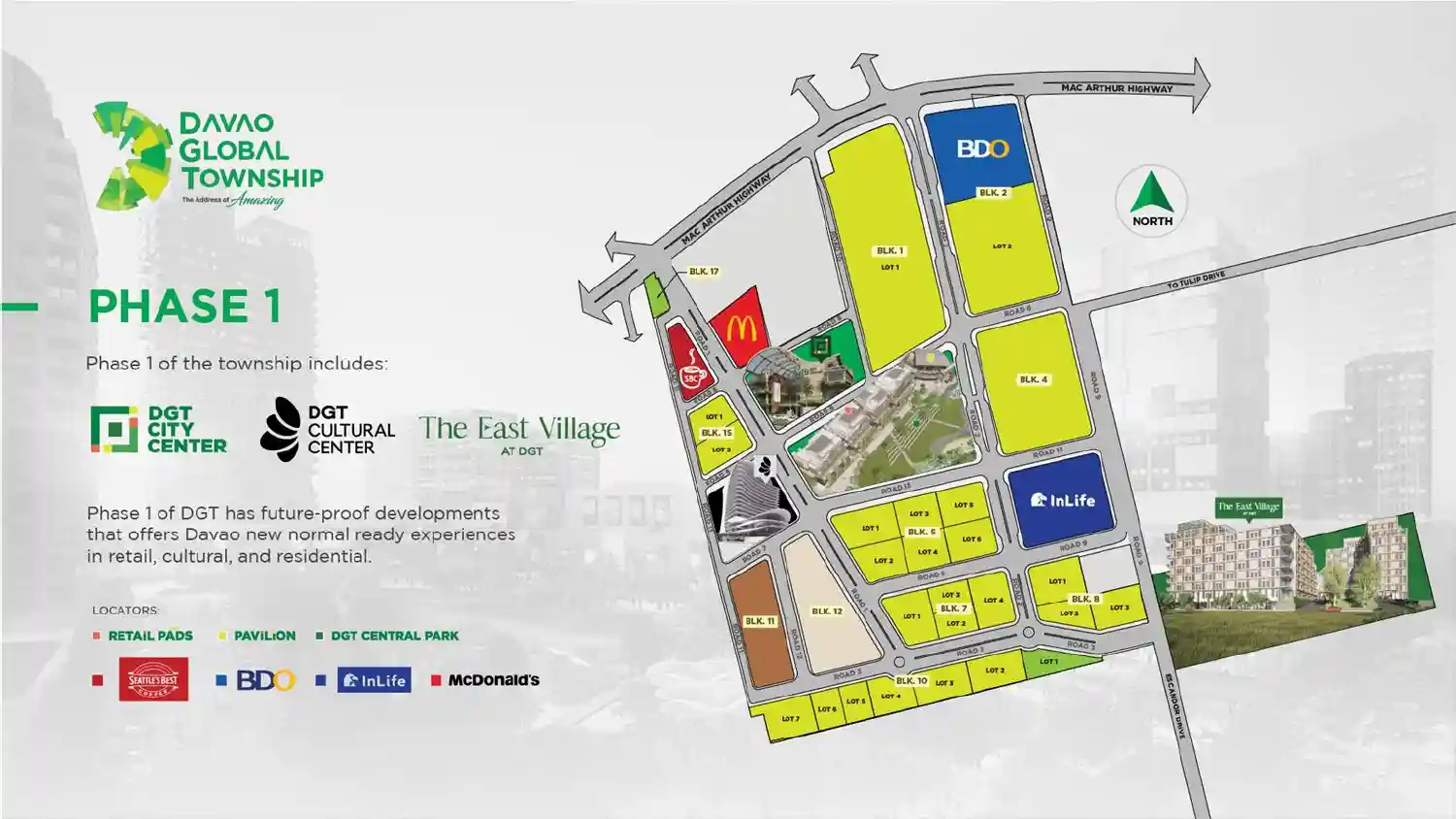
Davao Global Township (DGT). DGT is a 22-hectare business district on General MacArthur Highway in Matina, Davao City, developed by a joint venture of Cebu Landmasters and the Villa-Abrille family; ground was broken in 2018. In March 2026 a dining pavilion and retail pads opened, while an outdoor commercial complex and an indoor mall were described as planned. Residential projects such as The West Village are still being sold. An earlier version of this article said residents “don’t need to commute” for a mall, co-working, park and dining; for now, check which of those are open when your unit is turned over.
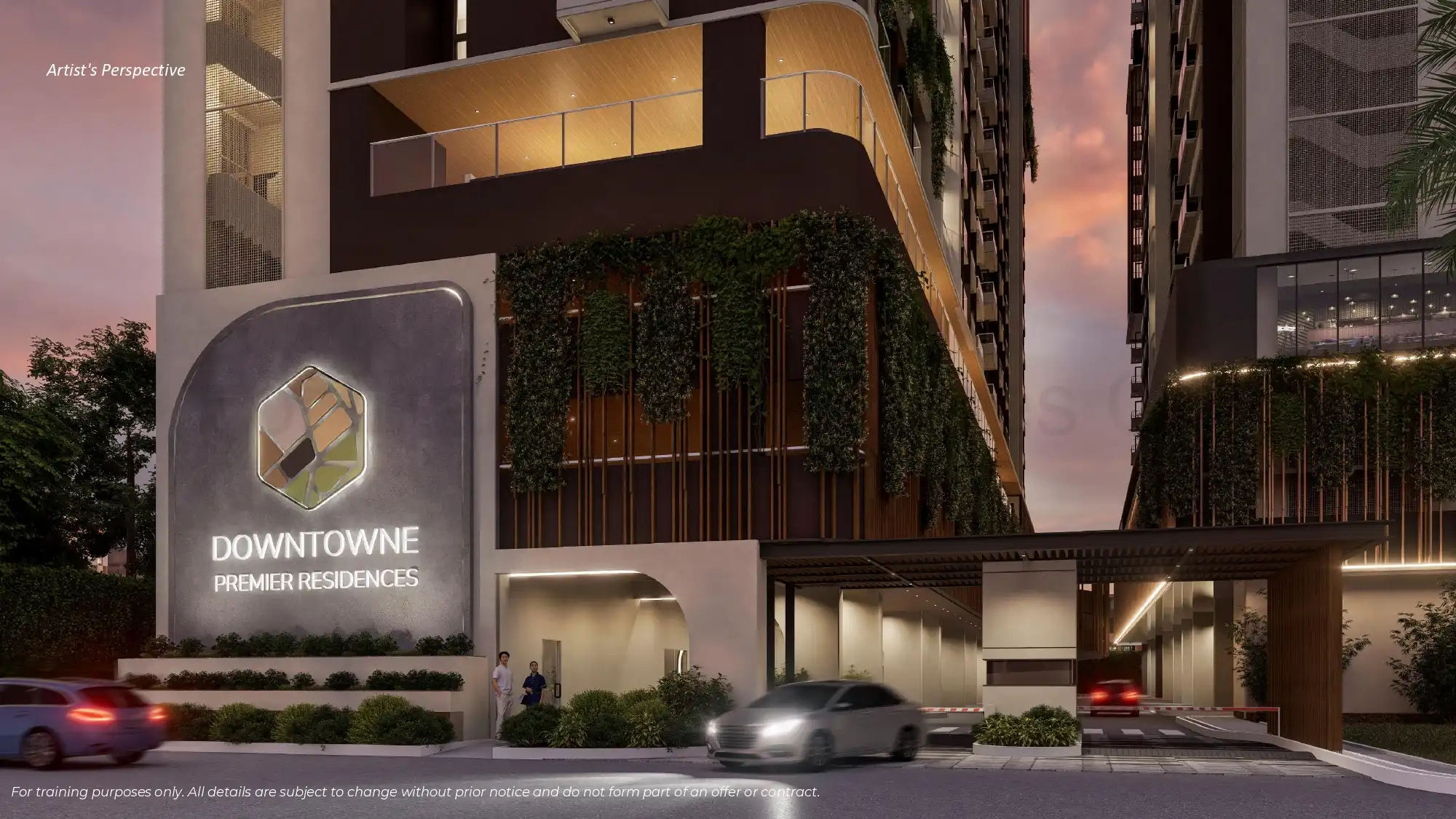
Downtowne Premier Residences, Davao City. A different model: a residential project on V. Mapa Street in downtown Davao rather than a township. Its appeal is that it sits within an existing city centre; our project page lists planned on-site facilities including a co-working space, daycare and chapel, which will exist only once the towers are built and turned over.
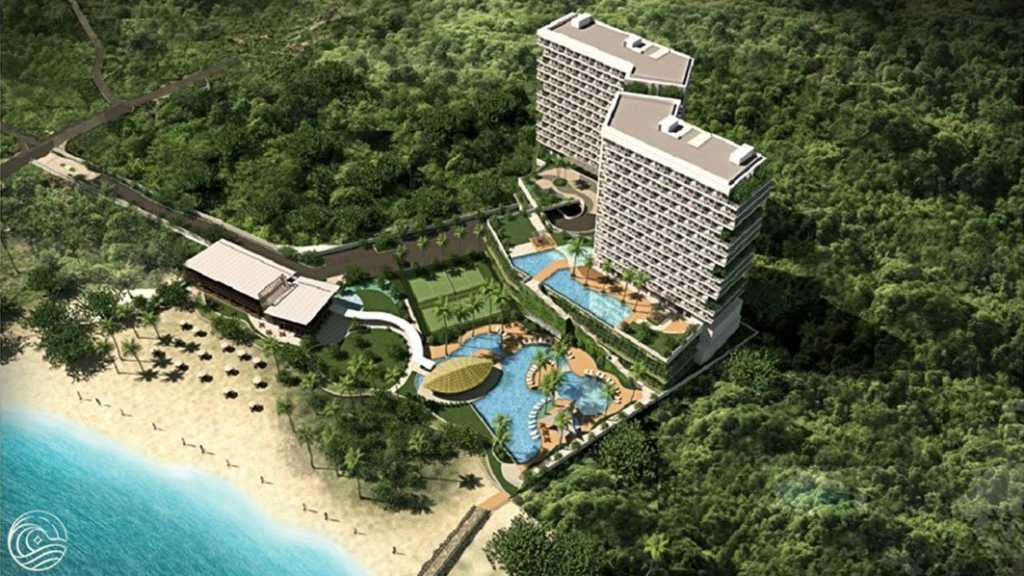
Costa Mira Beachtown Panglao. A resort-style project in Barangay Totolan, Dauis, on Panglao Island, which our project page records as having 220 metres of beachfront. Leisure is on the doorstep, but daily needs such as a hospital, schools and larger shops may require a drive — check them against your own routine, especially if you plan to live there rather than visit.
Developer price lists change and availability is not guaranteed; we do not know whether parking or other charges are included in these figures.
How to test a project’s convenience claim
- List your daily destinations: work, school, groceries, pharmacy, clinic or hospital, church, gym.
- Map the walking route from the tower entrance — not the project boundary — to each one, and note the distance.
- Walk it at the hours you would use it, checking sidewalks, crossings, shade and lighting after dark.
- Mark each destination as operating, scheduled (with a date) or planned.
- Get the phasing in writing: which facilities come with your phase, and what dues you will pay for them.
- Compare the price with similar units outside the township so you know what the convenience is costing you.
Frequently asked questions
What is a “15-minute city”?
It is an urban-planning idea, associated with the researcher Carlos Moreno, in which residents can reach daily needs — work, shops, schools, health care and leisure — within about 15 minutes on foot or by bicycle. At an ordinary walking pace of 4.5–5 km an hour, 15 minutes covers roughly 1.1–1.25 km of actual route.
Is a 15-minute drive the same thing?
No. A 15-minute drive can cover several kilometres in light traffic and far less at rush hour, and it depends on owning or paying for a vehicle. If a brochure says a mall or hospital is “15 minutes away”, ask whether that means walking or driving, at what time of day, and who measured it.
Are the amenities shown in a township masterplan guaranteed?
Under PD 957, developers are answerable for the facilities and improvements they promise in brochures, advertisements and other sales materials, and those promises form part of the sales warranties. That gives you a remedy, not a delivery date. Keep copies of what you were shown, and ask which facilities are in the approved plans for your phase and when each is scheduled.
Does living in a township increase resale value?
We are not aware of published Philippine data that isolates a township or walkability premium in resale prices, so we do not assume one. A well-run township can make a unit easier to rent or sell, but you may also be paying for that convenience upfront, together with any estate or township dues.
Check what is open now, not just on the masterplan
Send us the project you are considering. We will list which facilities the developer says are operating, which are scheduled and for when, and map walking routes from the tower to everyday destinations so you can judge the convenience you would be paying for.
Ask for a location check WhatsApp +63 917 550 8229Sources and notes
- Moreno, Allam, Chabaud, Gall and Pratlong — Introducing the “15-Minute City” (Smart Cities, 2021, 4(1), 93–111) — defines the concept around access to daily needs by walking or cycling within 15 minutes
- Presidential Decree No. 957, Sec. 19 (LawPhil) — developers are answerable for facilities and improvements promised in brochures and advertisements, which form part of the sales warranties
- Davao Global Township — About — 22-hectare business district on General MacArthur Highway, Matina, Davao City; developed by YHEST Realty and Development Corp., a joint venture of Cebu Landmasters and the Villa-Abrille family; groundbreaking 2018
- SunStar Davao — DGT expands township footprint as Retail Pads and Pavilion open (March 2026) — dining Pavilion and Retail Pads opened 10 March 2026; outdoor commercial complex and an indoor mall described as planned
- PropertEase project pages — DGT The West Village, Downtowne Premier Residences, Costa Mira Beachtown Panglao — developer, location, listed prices and planned amenities as recorded on our pages as of 3 October 2026; developer price lists and plans change
- Walking distance — 15 minutes at an assumed 4.5–5 km/h = 1.125–1.25 km; actual pace varies with heat, crossings and the person walking