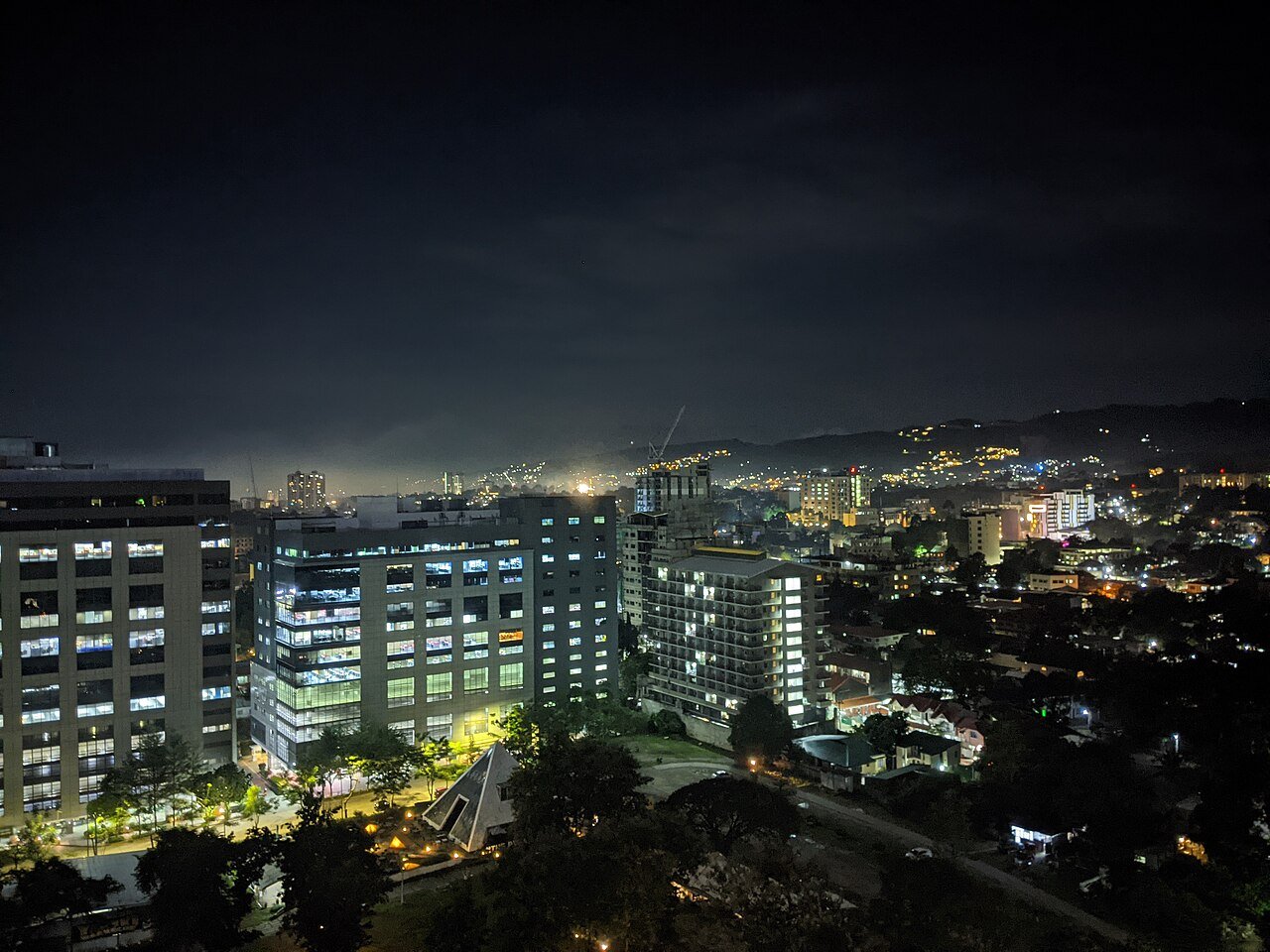
For remote work, the best Cebu condo is the one where you can confirm three things in writing before you sign: which fibre providers are actually wired into the building, what the backup power keeps running inside your unit, and whether there is a quiet spot for a real desk. None of these can be judged from a brochure, and all of them vary from tower to tower even on the same street. The trade-off for foreigners is time: the Philippines has authorised a digital nomad visa but, as of early October 2026, we found no way to apply for it, so most remote workers stay on extended tourist status — which makes renting first, and buying only once you know you will stay, the cautious order.
Key points
- Internet availability is building-specific. Ask the administration which providers have cabling in the building; don’t rely on street coverage maps.
- “100% backup power” may mean common areas only. Ask whether it covers outlets and air-conditioning inside units.
- A desk needs about 2 sqm with its chair. In a 22 sqm studio, that is a large share of the only room.
- Owning a unit does not give you a visa. Tourist extensions run up to 36 months for most visa-free nationals, applied for in stages at the Bureau of Immigration.
Internet: ask what is wired in, not what is advertised
Fixed broadband reaches a condo unit through cabling installed in the building’s risers. Which providers have done that installation is decided building by building, and some buildings start with only one. We do not publish speeds; they depend on the plan, the building and the time of day. What you can check:
- Providers in the riser: ask the administration which fixed-line providers (for example PLDT, Globe or Converge) already serve units in the building, and whether any has exclusive rights.
- Installation lead time: how long a new subscription takes to activate, and whether the provider needs building permission for each installation.
- A second connection: whether you can subscribe to two different providers so one can cover for the other.
- Mobile signal inside the unit: test calls and data with your own SIM at the unit itself — thick walls and low floors can block signal that is strong in the lobby.
- Developer promotions: some developers bundle internet. King Properties announced in 2022 that buyers at The Highline by Avenir would get two years of free Globe fibre; ask whether any such offer still applies and what happens when it ends.
Backup power: common areas versus your unit
Many project pages list a standby generator or “100% backup power”. On our own pages, for example, Balai Mandaue Central and The Midpoint Residences list a standby generator, and The Highline by Avenir lists 100% power backup. The phrase rarely says what is covered. Ask:
- Does backup power reach every outlet inside the unit, selected outlets and lights only, or only lifts, corridors, pumps and security systems?
- Does it cover air-conditioning? Working through an afternoon outage in a closed room without it is difficult.
- How long is the switchover, and how long can the generator run on its fuel supply?
- Whatever the answer, plan for a small uninterruptible power supply (UPS) for your router and laptop to ride out the switchover.
Desk space and layout
A desk of 1.2 × 0.6 m with room to pull out a chair needs roughly 1.9 sqm of floor (an assumption for illustration). The plans on our pages show what that means in practice:
| Plan | Open living/sleeping area | Share taken by a desk | What it means |
|---|---|---|---|
| The Highline by Avenir — Studio, 22.01 sqm | 11.09 sqm (living, dining and sleeping) | ≈ 17% | Desk competes with the bed and dining table; calls happen beside the bed. |
| The Highline by Avenir — Premiere, 33.15 sqm | 25 sqm (open plan) | ≈ 8% | Room for a proper workstation, still no door. |
| Balai Mandaue Central — 1BR B, 33.08 sqm | Separate bedroom with a door | — | Work in one room, sleep in the other; the door helps on calls. |
Areas from developer plans shown on our project pages. Desk footprint is an assumption.
Light and heat matter too: a desk facing a west-facing window gets strong afternoon sun. Check the window orientation and where the air-conditioner position is relative to where you would sit.
Acoustics: hearing the building before you buy
- Walls between units: ask what the party walls are made of. Lightweight partitions transmit more sound than solid masonry or concrete.
- Position on the floor: units beside the lift lobby, garbage chute or stairwell door hear constant traffic; corner and end units usually hear less.
- What is outside: a main road, a construction site, an amenity deck or a bar street below. Visit on a weekday during your working hours and again in the evening.
- Inside your unit: hard floors and bare walls echo on video calls. Rugs, curtains and shelving help more than you might expect.
Shared workspaces nearby
Some newer projects include their own co-working rooms. Our pages list a co-working space at Balai Mandaue Central, and King Properties described co-working spaces and conference rooms as part of The Highline by Avenir’s home-office concept. Ask whether these are free for residents, bookable, and open in the evening.
Outside the building, commercial coworking centres are concentrated in the business districts. KMC Solutions, for example, operates coworking space in the Skyrise 4A building on W. Geonzon Street inside Cebu IT Park. A building close to a coworking centre gives you a fallback when your own internet or power fails.
Lease and guest rules
Most remote workers rent before they buy. Each building sets its own house rules, so ask the administration or the unit owner:
- The minimum lease term, and whether short stays are allowed at all — many buildings restrict them.
- How tenants and overnight guests must be registered, and what identification foreign tenants need to provide.
- Whether deliveries are brought up or held at the lobby, and the hours for move-ins.
- If you plan to buy and lease out the unit when you travel, whether short-term rental is permitted in the building’s master deed and house rules. See our guide to short-term rental investing in Cebu.
Visa options for foreign remote workers (as of October 2026)
| Route | What the official sources say | Status for a remote worker |
|---|---|---|
| Visa-waiver entry and tourist extensions | 30 days on arrival for non-visa-required nationals; an initial 29-day extension to 59 days; further extensions up to 36 months in total (24 months for visa-required nationals); a Long-Stay Visitor Visa Extension of up to six months per application. | The route most remote workers use today. It is a visitor status, not a work permit; extensions are paid for and applied for at BI offices. |
| Digital Nomad Visa (EO 86) | Authorised on 24 April 2025, for foreigners working remotely for employers or clients outside the Philippines; reported terms: an initial stay of up to a year, extendable for another year, with multiple entries. | Not open for applications as far as we could find on 5 October 2026 — it did not appear in the Bureau of Immigration’s visa listings. |
| Special Resident Retiree’s Visa (PRA) | For principal applicants aged 40 and above, with a dollar visa deposit that varies by age and pension. | A long-stay option for older remote workers; see our retirement condo guide. |
Sources: Bureau of Immigration visa-waiver page; Executive Order No. 86 as summarised by EY; Philippine Retirement Authority. Rules and fees change — confirm with the BI or a Philippine embassy before you travel.
If you will work for a Philippine company or clients in the Philippines, a tourist status does not cover that; you would need a work visa and permit. When in doubt, ask the Bureau of Immigration or an immigration lawyer.
Costs: renting versus buying
- Renting keeps you flexible while visa routes are uncertain, and lets you test a building’s internet, power and noise before committing. Furnished units are common in the business districts; compare listings on our rentals page.
- Buying makes more sense if you expect to base yourself in Cebu for several years. Foreigners can buy condominium units within the building’s foreign-ownership limit. Budget beyond the price for furniture, a UPS, internet installation, monthly association dues and the taxes and fees on transfer.
- Pre-selling versus ready: a pre-selling unit may not be finished for years, and you cannot test its internet or noise. A ready-for-occupancy building lets you check everything first; see pre-selling versus RFO.
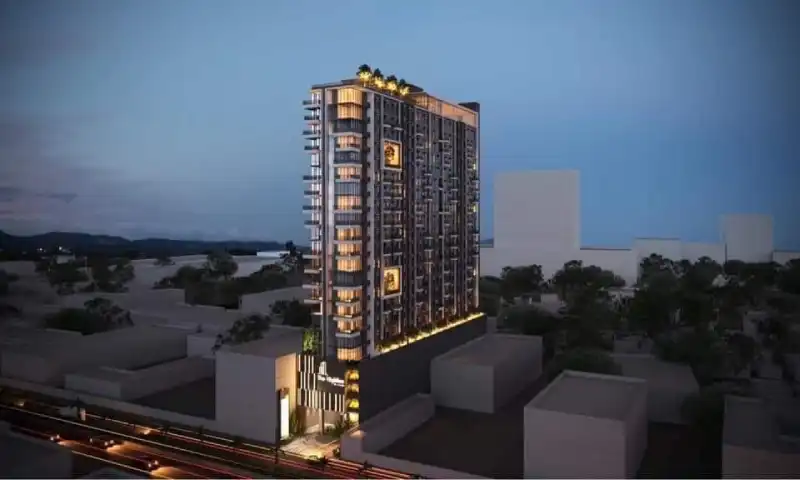
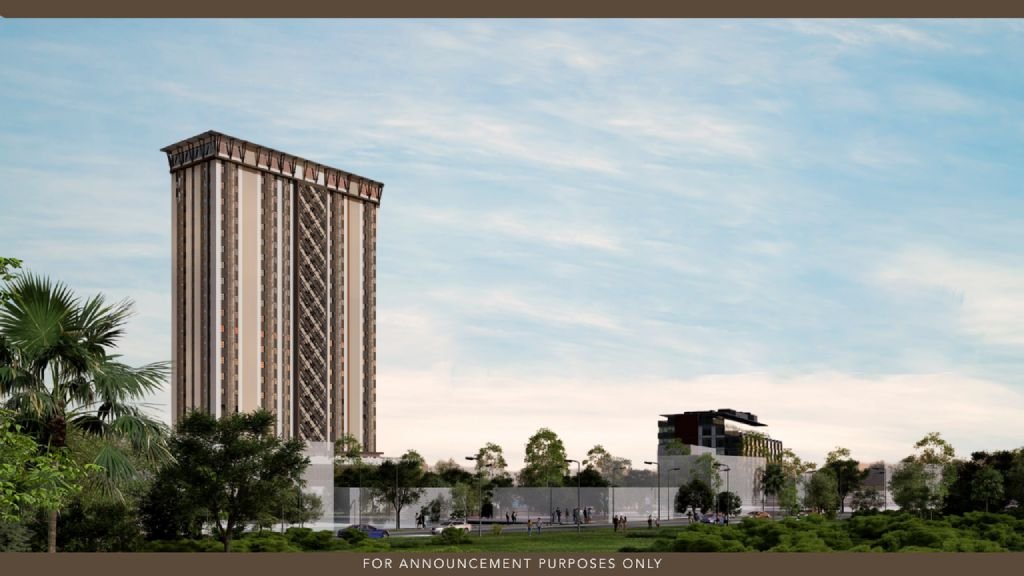
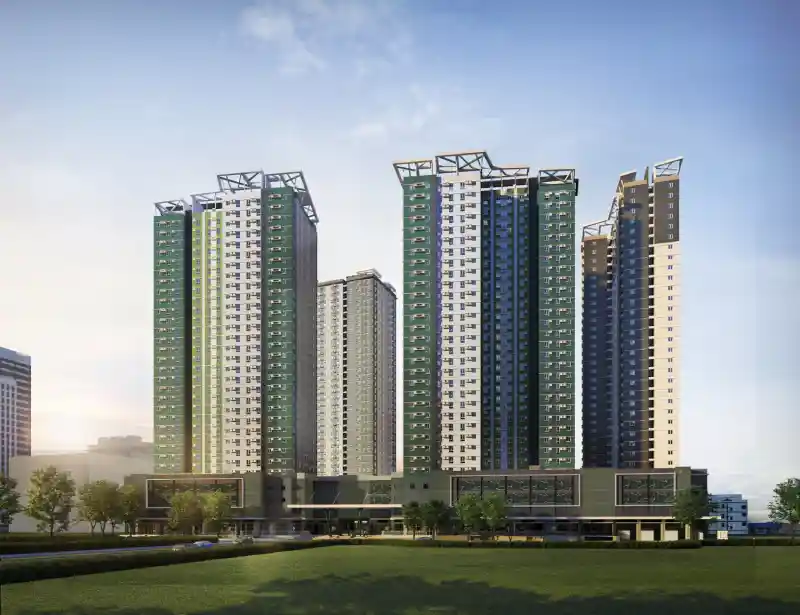
Three buildings to see what to ask
Listed-from prices on our project pages as of 3 October 2026; developer price lists change.
Frequently asked questions
Does the Philippines have a digital nomad visa I can apply for now?
Executive Order No. 86 (24 April 2025) authorised a Digital Nomad Visa issued by the Department of Foreign Affairs. When we checked on 5 October 2026, the Bureau of Immigration’s visa listings did not include it and we could not find an application channel. Check the DFA and BI websites before planning around it.
How long can I stay in Cebu on a tourist visa?
According to the Bureau of Immigration, visa-waiver visitors are admitted for 30 days and can request an initial 29-day extension (59 days in total), then further extensions up to a maximum of 36 months for non-visa-required nationals or 24 months for visa-required nationals. Extensions are applied for at BI offices and carry fees. The tourist visa is not a work permit.
How do I know which internet providers serve a condo building?
Ask the building administration, in writing, which fixed-line providers already have cabling in the building and whether any provider has exclusive access. Availability is building-specific, so a provider covering the street does not guarantee service in a particular tower. Then test mobile signal inside the actual unit as a backup.
Does buying a condo give a foreigner a visa?
No. Owning a condominium unit does not by itself grant a visa or residency. A foreigner can buy a unit within the building’s foreign-ownership limit, but the right to stay comes from a separate visa, such as a tourist extension or, for applicants aged 40 and above, the PRA’s Special Resident Retiree’s Visa.
Get the building answers before you commit
Shortlist two or three buildings and we will ask each administration in writing which fibre providers are wired in, what the generator powers, and the lease and guest rules — then arrange a viewing at a time you can test the signal and the noise.
Ask us to check a building WhatsApp +63 917 550 8229Sources and notes
- Bureau of Immigration — Temporary Visitor (9A) Visa Waiver — 30-day initial admission, 29-day initial extension, maximum stay 36 months (non-visa-required) or 24 months (visa-required), Long-Stay Visitor Visa Extension up to six months; accessed 5 October 2026
- Executive Order No. 86, s. 2025 (Official Gazette) — signed 24 April 2025; authorises the Digital Nomad Visa. The page blocked automated reading; provisions summarised from EY’s 8 May 2025 alert (initial stay up to one year, extendable by a year, multiple entries)
- EY — Philippines announces new Digital Nomad Visa (8 May 2025) — summary of EO 86 terms
- SunStar Cebu — King Properties set to build ‘green’ residential, commercial tower in Mandaue (16 Jun 2022) — The Highline by Avenir: home-office concept, co-working spaces, two-year free Globe fibre broadband for unit owners as announced in 2022
- KMC Solutions — Skyrise 4A coworking, Cebu IT Park — coworking centre on W. Geonzon St., Cebu IT Park; accessed 5 October 2026
- Avida Land — Avida Towers Riala — inside Cebu IT Park; marketed by the developer as ready for occupancy (as verified in our earlier fact-check, 5 October 2026)
- Assumptions — desk and chair footprint (1.2 × 0.6 m desk plus about 1 m of chair space) is an assumption for illustration; listed prices are from our project pages as recorded on 3 October 2026