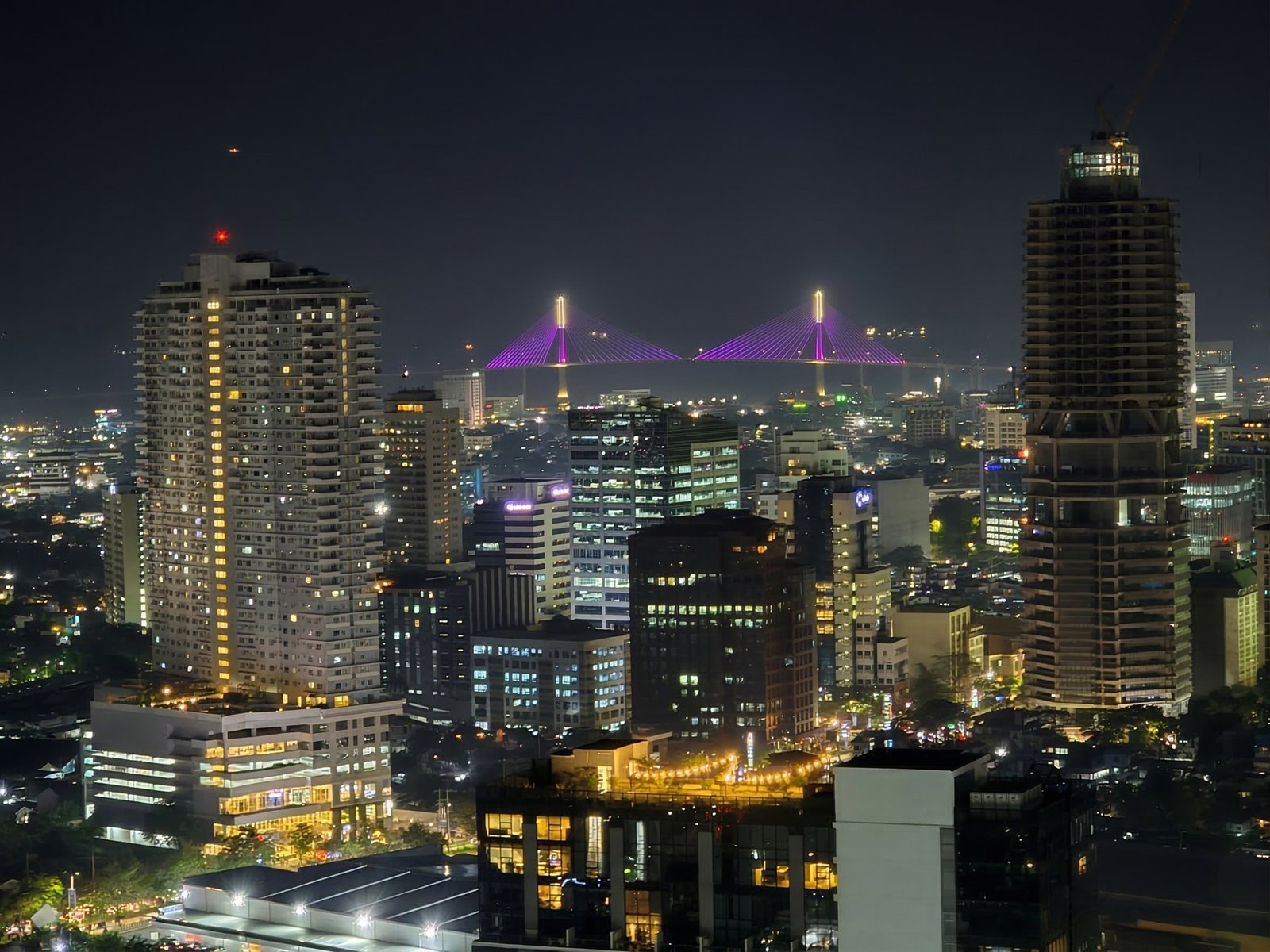
Buying a pre-selling condo in Cebu safely comes down to four things: confirm that DHSUD has licensed the exact tower or phase you are buying, judge the developer by buildings it has already delivered, read the Contract to Sell before you pay anything beyond the reservation fee, and plan now for the balance that falls due at turnover. The trade-off you have already accepted — a longer wait and construction risk in exchange for spread-out payments — is only worth it if those checks hold up.
Key points
- A License to Sell is issued per project or phase. Check the number against DHSUD’s directory or the DHSUD Region VII office, not just the brochure.
- The Contract to Sell (CTS) sets the turnover date, delay remedies, price, penalties and cancellation terms. Read it before you commit.
- The Maceda Law (RA 6552) gives instalment buyers grace periods and, after two years of payments, a refund of at least 50% if the contract is cancelled.
- At turnover you inspect the unit, list defects, pay or finance the balance, and only then does the title process begin.
Where pre-selling supply sits in Metro Cebu
Of the pre-selling condominium projects listed on our site as of 3 October 2026, 67 are in Metro Cebu: 34 in Cebu City, 15 in Lapu-Lapu City on Mactan, 12 in Mandaue City, and a handful in Cordova, Consolacion, Talisay and Liloan. That reflects the projects we carry, not the whole market, but it shows where most new launches are concentrated. Listed prices on those pages run from under ₱2M (mostly in the outer towns) to well above ₱50M for large units in Cebu City and Mactan; developer price lists change, so treat any figure as a starting point for a dated computation.
Payment terms vary as much as prices. On our project pages, equity (the down payment paid to the developer during construction) is most often 10–20% of the price, spread over periods ranging from a few months to more than six years, with the rest due at turnover. A few projects ask for a larger equity share. Browse the current list on our pre-selling condos in Cebu page.
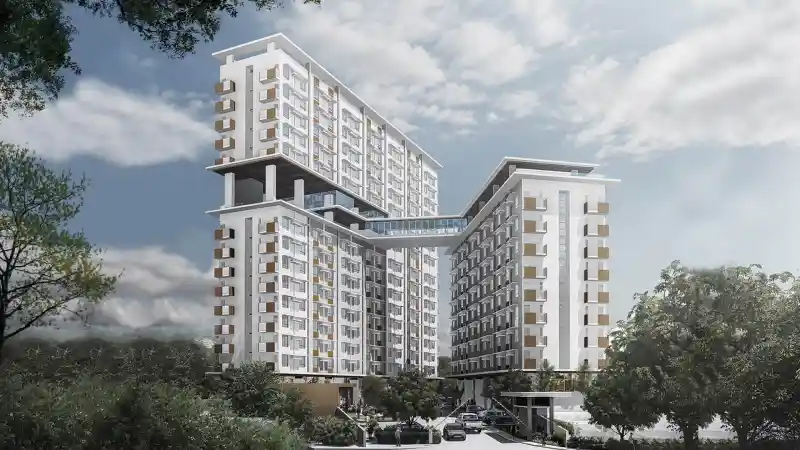
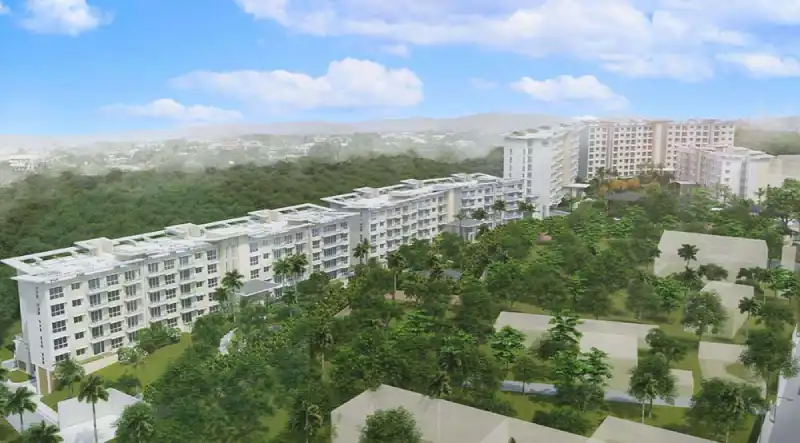
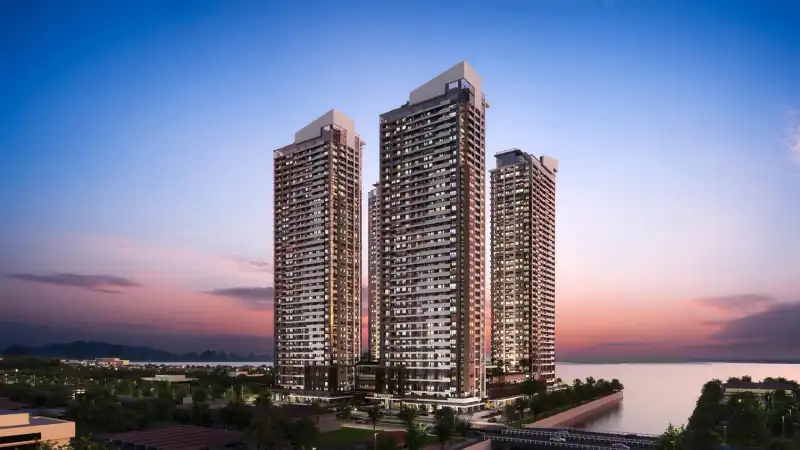
Monthly figures are simple divisions for illustration; they ignore the reservation fee credit, and whether VAT, parking and other charges are included is not recorded on our pages. Ask for a current computation.
Step 1: Verify the Certificate of Registration and License to Sell
Under PD 957, a condominium project must be registered and the developer must hold a License to Sell (LS) before any unit is sold. The license is issued only after the developer posts a performance bond to guarantee completion. Since 2019, DHSUD (the Department of Human Settlements and Urban Development) has held this regulatory role, which used to belong to HLURB.
- Ask for the numbers. Request the Certificate of Registration and License to Sell numbers, or copies, from the developer or broker.
- Check them independently. DHSUD keeps an online License to Sell directory, and its Region VII office covers Cebu. A valid license identifies the project, location, developer, property type and scheduled completion date.
- Match the phase. Large projects are licensed tower by tower or phase by phase. Make sure the license covers the building you are reserving, not an earlier phase.
- Compare the completion date on the license with the turnover date in your contract.
In August 2026, DHSUD Region VII publicly named five Cebu projects, including two towers of a project in Cebu City, that had not yet been issued a License to Sell and could not be advertised, offered or sold until their deficiencies were resolved. The developer said none had been offered for sale. The lesson for buyers: a well-known developer name is not proof that the specific tower you are offered is licensed.
Step 2: Judge the developer by what it has delivered
You are paying for a building that does not exist yet, so the best evidence is the developer’s finished work.
- List its completed projects in Cebu and visit at least one. Compare the delivered lobby, corridors, unit finishes and amenities with what was marketed.
- Ask owners or the building administration how turnover went: was it on the promised date, and were defects fixed promptly?
- Compare the announced and actual turnover dates of its last few projects. Ask the developer for these in writing.
- If the developer or its parent company is listed on the Philippine Stock Exchange, its annual reports describe projects completed and under construction.
- Keep the brochure and printed materials. PD 957 treats the facilities and improvements promised in advertisements as warranties the developer is answerable for (Sec. 19).
Step 3: Read the Contract to Sell before you commit
The Contract to Sell (CTS) is the agreement between you and the developer: you pay the price on schedule and the developer transfers ownership once you have paid in full. PD 957 requires contracts to sell to be registered with the Registry of Deeds. Many buyers first see the CTS weeks after paying the reservation fee — ask for a specimen copy before you reserve.
| Clause | What to look for |
|---|---|
| Turnover date | A specific date or period, and any grace period the developer reserves for itself (for example, for force majeure or “causes beyond its control”). |
| Delay remedies | What you can claim if turnover is late — refund, interest, waiver of charges — and how to invoke it. |
| Price and adjustments | Whether the total contract price is fixed, and whether any clause lets the developer pass on new taxes, fees or changes in specifications. |
| Specifications and changes | The finishes and inclusions promised, and whether the developer may substitute materials of “equal or better” quality. |
| Payment schedule and penalties | Due dates, accepted payment methods, post-dated cheques, and the penalty rate for late payment. |
| Cancellation and refunds | What happens if you default or withdraw. Terms that give you less than the Maceda Law minimums are void under RA 6552. |
| Balance and financing | When the balance falls due, which lenders are accredited, and what happens if your loan is reduced or refused. |
| Assignment | Whether you can sell or transfer your rights before turnover, and any consent or fee required. |
| Other charges | Miscellaneous fees for transfer taxes, registration and title, and when they are billed. |
| Turnover obligations | Move-in fees, advance association dues, and when dues start (often on turnover or deemed acceptance, whether or not you move in). |
Your rights if payments go wrong: the Maceda Law and PD 957
The Maceda Law (RA 6552) protects buyers of residential real estate, including condominium units, who pay in instalments. Down payments and deposits count toward the instalments you have paid.
| Instalments paid | Grace period if you default | If the contract is cancelled |
|---|---|---|
| Less than 2 years | At least 60 days from the due date | Developer may cancel 30 days after you receive a notarial notice of cancellation. No statutory refund (your contract may give one). |
| 2 years or more | One month per year of instalments paid, without extra interest; usable once every five years of the contract | Refund (cash surrender value) of at least 50% of total payments, plus 5% a year after five years of instalments, up to 90%. Cancellation takes effect 30 days after notarial notice and full payment of the refund. |
A buyer pays a ₱25,000 reservation fee (credited to the price) and 30 monthly equity instalments of ₱18,750 — ₱587,500 in total over two and a half years — then stops paying. Having paid at least two years, they have a two-month grace period to catch up without extra interest. If the developer then cancels, the refund must be at least 50% of ₱587,500, or ₱293,750, paid before cancellation takes effect. Had the buyer stopped after 18 instalments (₱362,500 paid), the law would give a 60-day grace period but no minimum refund.
During the grace period you may also reinstate the contract by updating the account, or sell or assign your rights to someone else by notarial deed. You may prepay any instalment or the whole balance at any time without interest. Contract clauses that give you less than these rights are void.
If the problem is on the developer’s side, PD 957 Sec. 23 applies: when the developer fails to develop the project according to approved plans and within the time limit, a buyer who notifies the developer and stops paying cannot have payments forfeited, and may ask for reimbursement of the total paid (excluding delinquency interest) with legal interest. Complaints go to DHSUD and the Human Settlements Adjudication Commission. Get legal advice before you suspend payments.
Plan the balance now, not at turnover
The equity is the easy part. The balance — often 80–90% of the price — is due when the building is completed, and it is paid by a bank loan, Pag-IBIG, the developer’s in-house financing or cash. Lenders assess you at that time, on your income and their rates then. Before you reserve:
- Estimate the monthly amortization on the balance at a rate one or two points higher than today’s, and check it against your expected income at turnover.
- Keep a cash buffer for an appraisal gap, loan fees, other charges and move-in costs.
- Ask which banks are accredited for the project, and whether it is accredited for Pag-IBIG takeout if you plan to use Pag-IBIG.
- Start the loan application early enough for approval to be in hand before the balance falls due.
Our bank financing guide covers appraisal gaps and repricing in detail.
Turnover: inspection and punch list
When the building is ready, the developer sends a notice of turnover with a schedule for inspection and the documents and payments due. Take this stage seriously: once you sign the acceptance, defects become harder to raise.
- Inspect in daylight with a checklist. Check walls and ceilings for cracks and stains, doors and windows for alignment and seals, tiles for hollow sounds, every outlet and switch, water pressure and drainage in every fixture, and the measurements against your floor plan.
- Write a punch list. Note each defect with photos, and have the developer’s representative sign or acknowledge it.
- Re-inspect after repairs before signing the certificate of acceptance. Ask what warranty applies to defects found later and how to report them.
- Check the deemed-acceptance clause. Many contracts treat the unit as accepted if you do not inspect within a set period — and association dues may start from that date.
After turnover: balance, deed and title
- Balance: your lender pays the developer once your loan is approved and its conditions are met, or you pay in cash.
- Deed of Absolute Sale: signed once the price is fully paid; it conveys the unit to you (and, with a loan, a mortgage is registered in the lender’s favour).
- Title: PD 957 requires the developer to deliver the title on full payment. The unit’s Condominium Certificate of Title (CCT) is transferred to your name through the Registry of Deeds, along with the tax declaration at the city assessor. Transfer taxes and registration fees are commonly billed to the buyer as “other charges” — check your contract.
- Running costs: association dues, real property tax and utilities are yours from turnover or acceptance.
Checklist before you reserve
- License to Sell checked for the exact tower or phase, with the scheduled completion date noted.
- At least one completed project by the same developer visited.
- Specimen Contract to Sell read, especially turnover, delay, price, cancellation and assignment clauses.
- Dated computation showing the total contract price, what it includes, the equity schedule and the balance at turnover.
- Reservation fee terms — refundable or not, credited or not — confirmed in writing.
- A financing plan for the balance, with a buffer for higher rates and an appraisal gap.
Frequently asked questions
How do I check that a Cebu pre-selling project has a License to Sell?
Ask the seller for the project’s Certificate of Registration and License to Sell numbers, then check them against DHSUD’s online License to Sell directory or with the DHSUD Region VII office in Cebu. Confirm that the license names the same developer, project and tower or phase you are buying; a license for one phase does not cover the next.
Is the reservation fee refundable if I change my mind?
Often not. Reservation agreements commonly state that the fee is non-refundable, though some credit it to the price or refund it in specific cases. Whatever the terms are, get them in writing before you pay — the brochure is not enough.
What does the Maceda Law give me if I can no longer pay?
RA 6552 covers residential condominium units bought on instalments. With less than two years of instalments paid you get a grace period of at least 60 days; with two years or more you get one month of grace per year paid and, if the contract is cancelled, a refund of at least 50% of total payments (rising by 5% a year after five years, up to 90%). Cancellation takes effect only 30 days after you receive a notarial notice — and, for buyers with two or more years paid, only once the refund is paid.
Can I sell or transfer my unit before turnover?
Possibly. The Maceda Law lets an installment buyer sell or assign their rights during the grace period, by notarial deed. Outside that situation, assignment depends on your Contract to Sell: many developers require written consent, an updated account and a transfer fee. Check the clause before you rely on selling early.
Check a project before you reserve
Send us the project and tower you are considering. We will tell you what the License to Sell covers, send a dated computation and point out the Contract to Sell clauses to review before you pay.
Ask about a project WhatsApp +63 917 550 8229Sources and notes
- Presidential Decree No. 957 — LawPhil — Sec. 5 license to sell; Sec. 6 performance bond; Sec. 17 registration of contracts to sell; Sec. 19 advertisements as warranties; Sec. 20 time of completion; Sec. 23 non-forfeiture of payments; Sec. 25 title on full payment
- Republic Act No. 6552 (Realty Installment Buyer Act / Maceda Law) — LawPhil — Sec. 3–7 grace periods, cash surrender value, notarial notice, assignment, advance payment, void contrary stipulations
- Republic Act No. 11201 (DHSUD Act) — LawPhil — DHSUD now holds the regulatory function over condominium projects; HLURB reconstituted as the Human Settlements Adjudication Commission
- SunStar Cebu — “DHSUD urges homebuyers to verify project license to sell” — 8 September 2026; ask for the license, check DHSUD’s online License to Sell directory or a regional office
- Daily Tribune — “DHSUD: Five Cebu Landmasters projects still lack selling licenses” — 19 August 2026; DHSUD Region VII statement and the developer’s response
- Project data — project counts, list prices and payment terms are from our project pages as of 3 October 2026; developer price lists and terms change. Monthly figures in the project cards are simple divisions of the listed price for illustration and exclude the reservation fee credit, VAT treatment and other charges